
PRODUCT CENTER

HUAXIA STANDARD PARTS

Self-tapping screw
All
  • All
  • Product Management

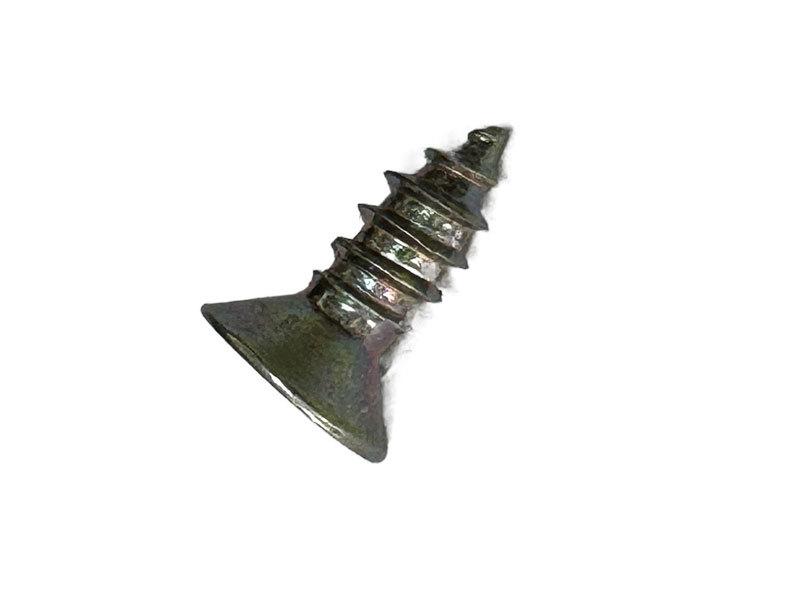
Countersunk self-tapping screw – Test

Countersunk self-tapping screws are commonly used for joining furniture panels, securing wood products, installing door and window hinges, fastening decorative panels, mounting electrical enclosures, connecting plastic housings, joining metal sheeting, and installing aluminum profile accessories.

Countersunk self-tapping screw

Countersunk self-tapping screws are commonly used for joining furniture panels, securing wood products, installing door and window hinges, fastening decorative panels, mounting electrical enclosures, connecting plastic housings, joining metal sheeting, and installing aluminum profile components.

Flat-head self-tapping screw with flange and flat tail
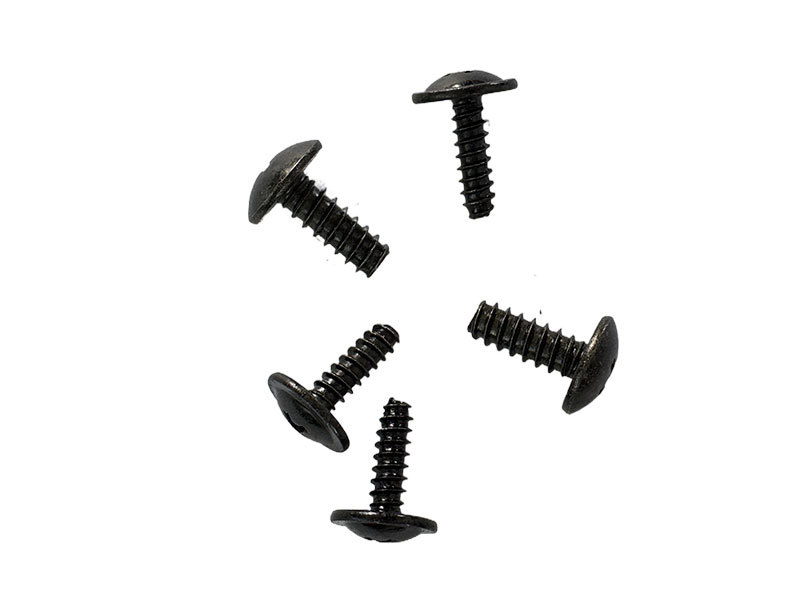
Large flat-head self-tapping screws with flanges are primarily used in applications where tight clamping area, vibration resistance, and surface protection are critical. They are ideal for securing plastic housings, assembling internal components of household appliances, fastening automotive interior parts, attaching plastic trim on electric vehicles, and installing hardware decorative elements, while also serving as connectors for thin-sheet metal joints and the fixation of electronic equipment enclosures.

Flat-head self-tapping screw with a flat tail
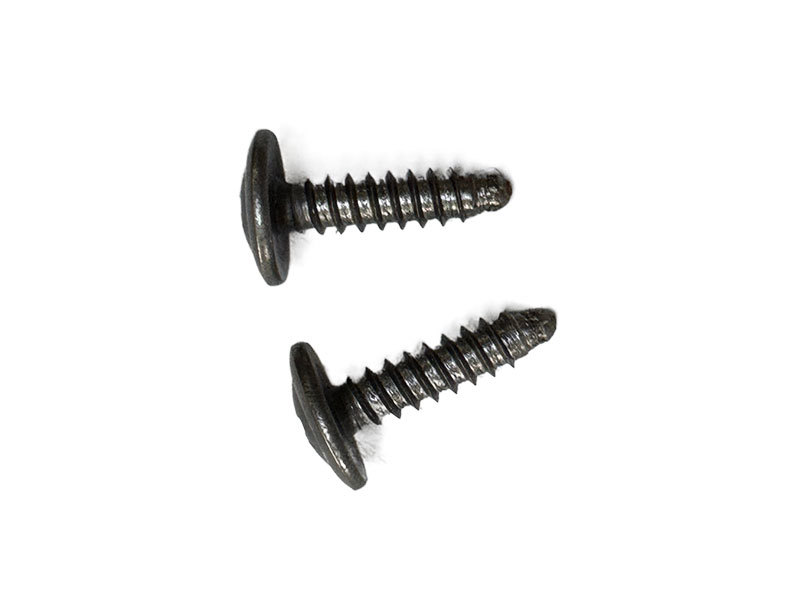
Large flat-head self-tapping screws are ideal for applications that require broad-area clamping while maintaining a high-quality appearance. Examples include joining plastic components, fastening thin metal sheets, assembling small household appliances, mounting enclosures for small to medium-sized electronic devices, assembling toys, securing lighting fixtures, installing automotive interior trim, and attaching furniture hardware.

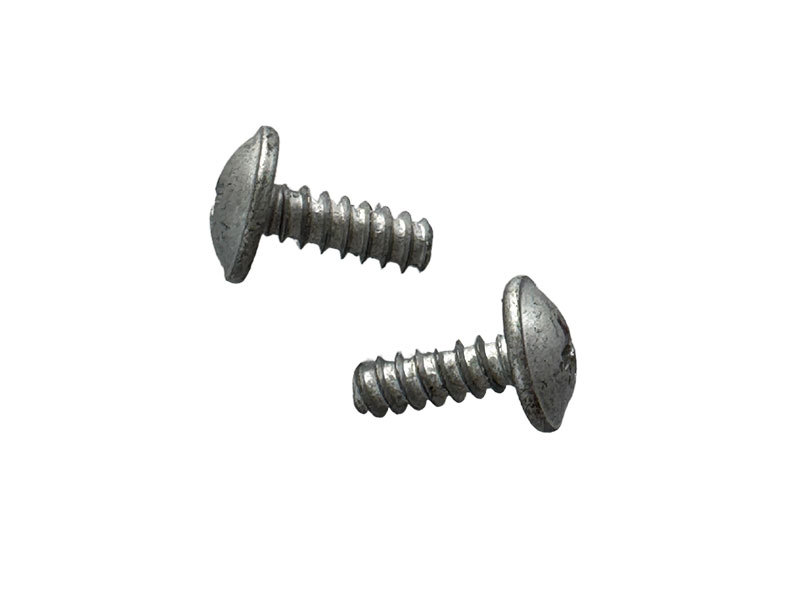
Flat-head round-tail self-tapping screw
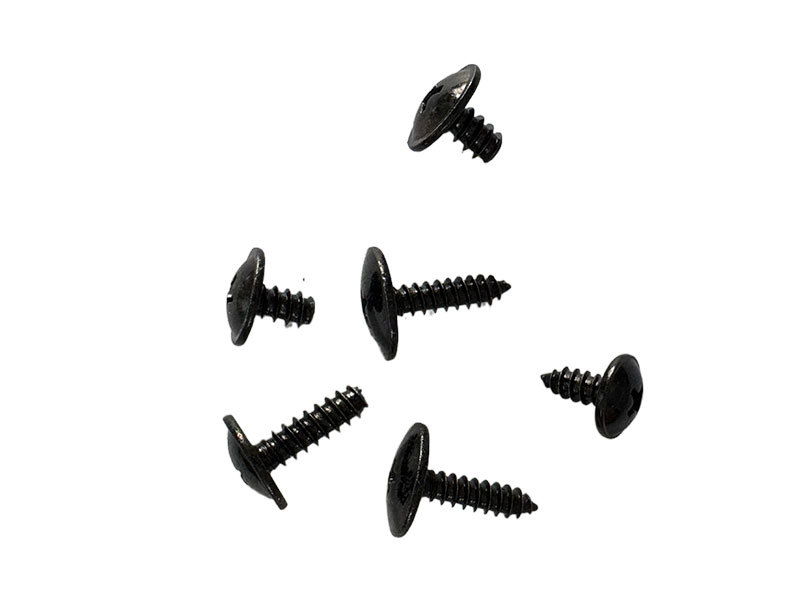
Large flat-head, round‑tail self‑tapping screws are ideal for applications where backside clearance is limited and it’s necessary to avoid piercing or scratching internal components. Examples include automotive interior trim, internal fastening in electrical appliances, structural assemblies in electronic devices, joining plastic parts to other plastics, installing thin‑sheet coverings, and assembling toys.

Flat-head self-tapping screw

Large flat-head self-tapping screws are ideal for applications where backside clearance is limited and it’s necessary to avoid piercing or scratching internal components. Examples include automotive interior trim, internal fastening in electrical appliances, structural assemblies in electronic devices, joining plastic parts to other plastics, installing thin‑sheet coverings, and assembling toys.

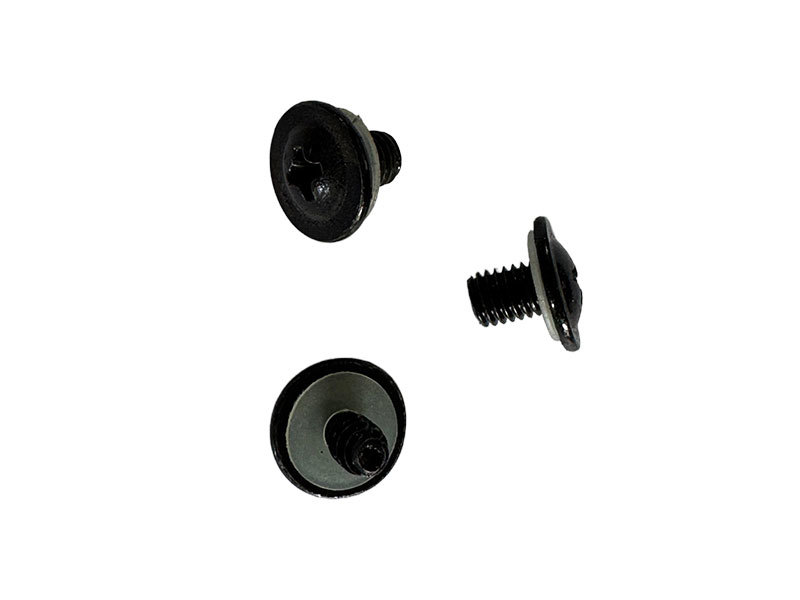
Nylon washer combination self-tapping screw
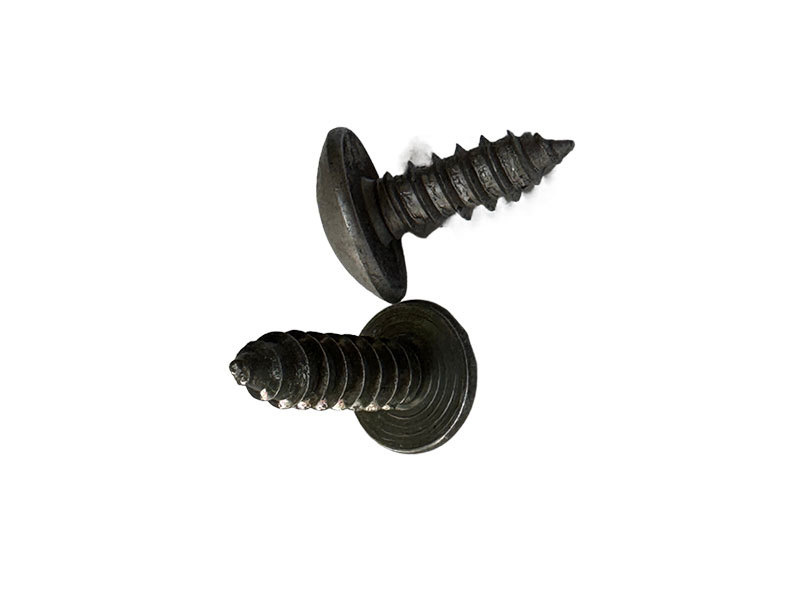
Nylon‑washer‑combined self‑tapping screws are self‑tapping screws pre‑fitted with nylon washers. Nylon washers typically provide cushioning, sealing, anti‑loosening, and scratch‑resistance. They are well suited for joints that require waterproofing, vibration damping, loosening prevention, and surface protection—such as fastening electrical enclosures, installing lighting fixtures, securing automotive components, attaching body panels on electric vehicles, joining metal and plastic sheets, mounting outdoor equipment, and fixing hardware on doors and windows as well as mechanical cover plates.

Black-plated pan-head self-tapping screw with cross slot
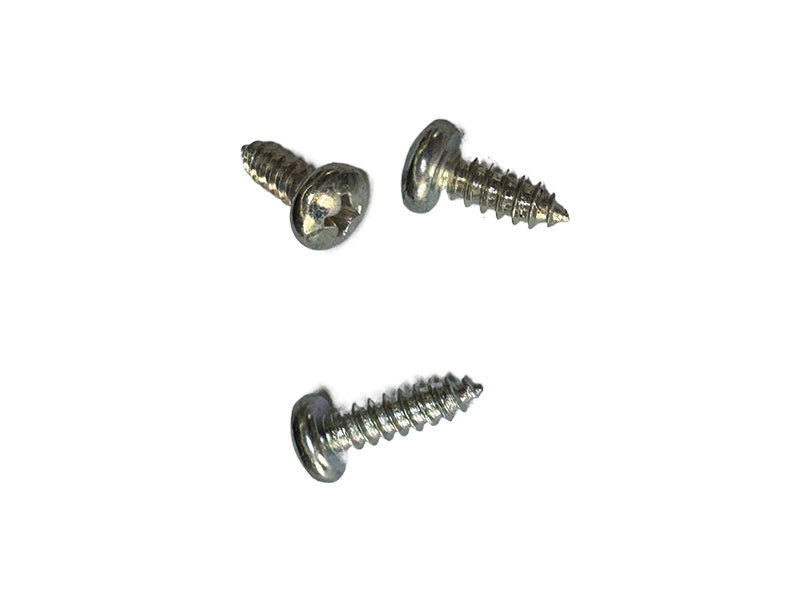
These products are typically black‑plated to provide rust resistance, an attractive appearance, light shielding, or decorative appeal. They feature a Phillips drive for easy assembly with standard Phillips screwdrivers or electric drivers, and a pan‑head design with a slightly rounded tip and moderate bearing surface area. As self‑tapping fasteners, they can be directly driven into the material.

Cross-recessed pan-head self-tapping screw
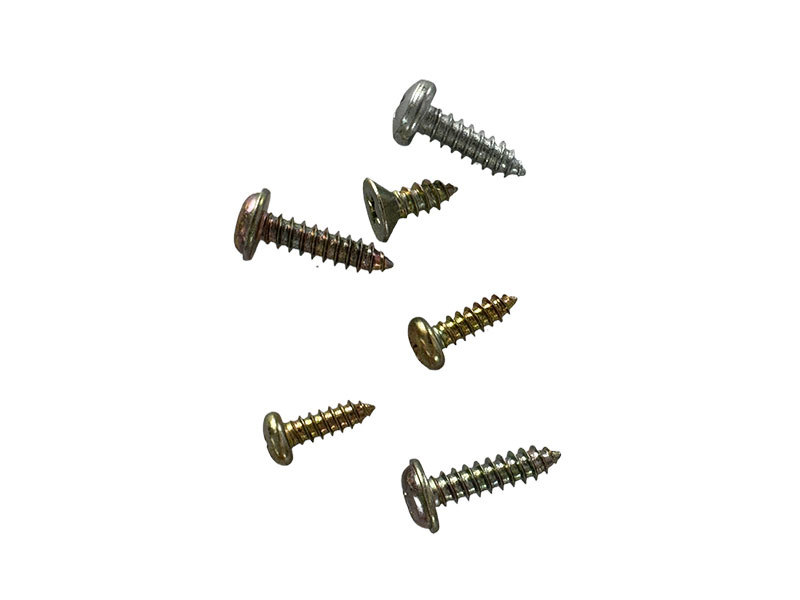
Cross‑slot pan‑head self‑tapping screws are a very common type of self‑tapping fastener. They also have several well‑known advantages: the cross‑slot design facilitates installation, the pan head provides a substantial clamping area, and the self‑tapping threads cut directly into the material, making them suitable for joining a wide range of substrates. These screws are primarily used for assembling appliance housings, securing plastic components, connecting metal sheeting, installing furniture hardware, assembling toys, mounting electrical switch panels, attaching protective covers to machinery, fitting window and door accessories, installing lighting fixtures, and fastening small interior automotive parts.

Self-tapping screw

Cross‑recessed pan‑head self‑tapping screws are a very common type of self‑tapping fastener. They also have several well‑known advantages: the cross‑recess design facilitates installation, the pan head provides a substantial clamping area, and the self‑tapping threads cut their own path into the material, making them suitable for joining a wide range of substrates. These screws are primarily used for assembling appliance housings, securing plastic components, connecting thin metal sheets, installing furniture hardware, assembling toys, mounting electrical switch panels, attaching protective covers to machinery, fitting window and door accessories, installing lighting fixtures, and fastening small interior automotive parts.

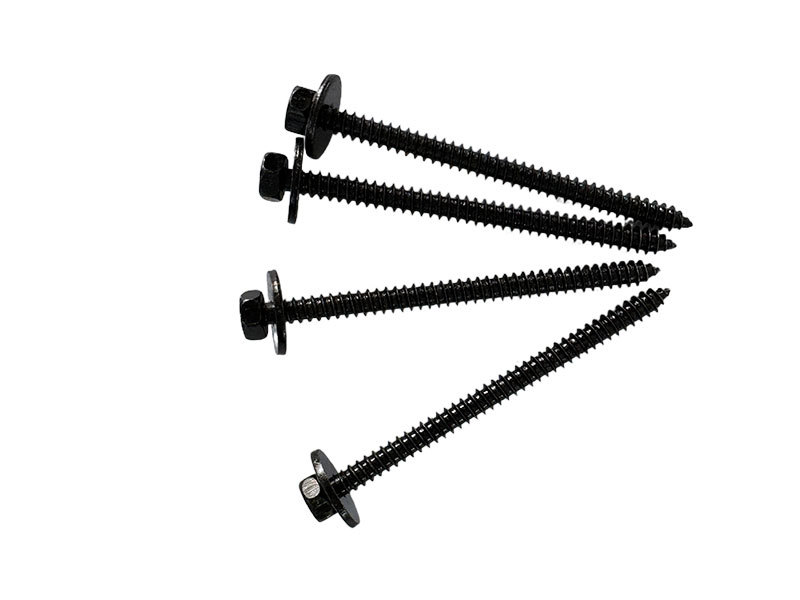
Hex Head with Flat Washer Combination Self-Tapping Screw
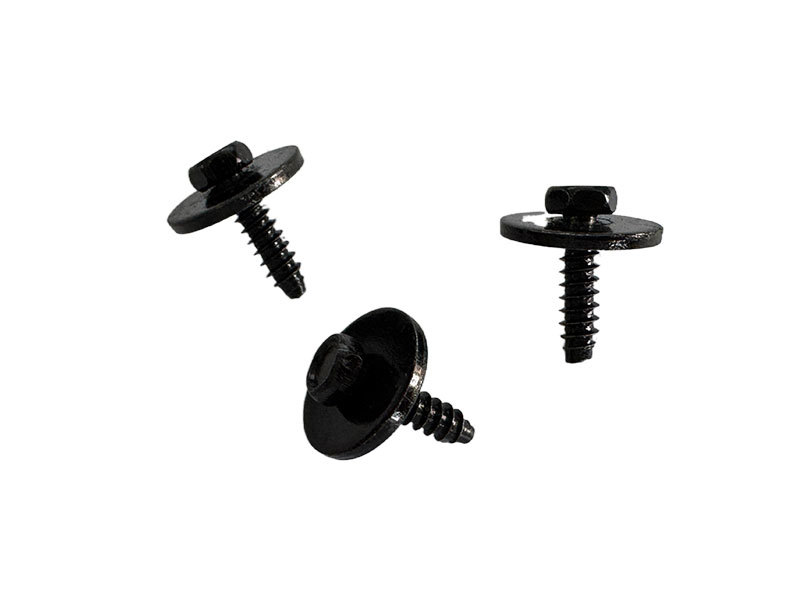
Hex‑head self‑tapping screws with flat washers are ideal for applications demanding high clamping force, substantial load‑bearing capacity, and robust assembly strength. They are commonly used for joining metal sheets, securing thin steel plates, mounting equipment housings, attaching appliance bases, installing air‑conditioner brackets, assembling electrical cabinets and distribution boxes, fabricating automotive components, and fastening roof panels and color‑steel roofing tiles in construction and installation projects.

Hex head self-tapping screw with flat washer

Hex-head washer‑flat‑washer combination self‑tapping screws are ideal for applications requiring high clamping force, substantial load‑bearing capacity, and robust assembly strength. They are commonly used for joining metal sheets, securing thin steel plates in steel structures, mounting equipment housings, attaching appliance bases, installing air‑conditioner brackets, assembling electrical cabinets and distribution boxes, fabricating automotive components, and fastening roof panels and color‑steel roofing tiles during construction and installation.
< 123 >
LOGO

No. 5-1, Xinliu Avenue, Yanghe Industrial Park, Luorong Industrial Park, Liuzhou City

Add WeChat

Mobile website

Follow Official Account

Add WeChat

Power: www.300.cn  seo

Business License